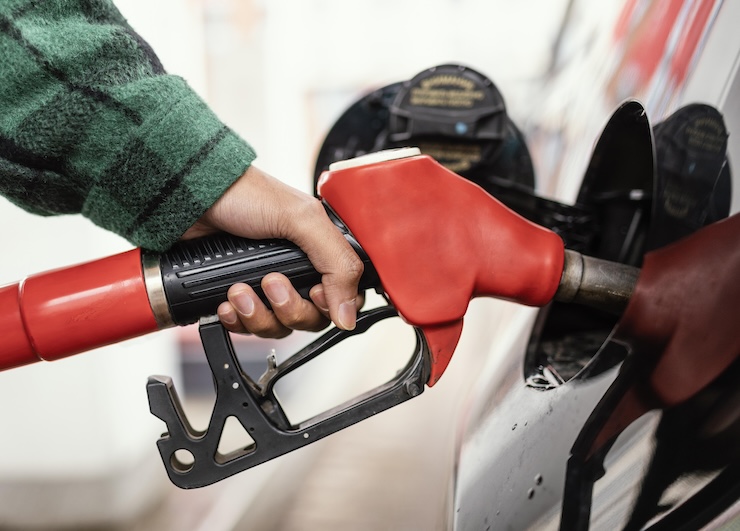
If your employees regularly drive for work, collecting paper receipts and processing individual fuel claims can quickly become an administrative headache. A fuel card lets your drivers pay at participating petrol stations, and provides your business with an itemised invoice covering transactions across its account.
The best fuel card for your business depends on where your drivers travel, how much fuel you buy and whether you want pump prices or a fixed weekly rate. Fees should also factor into your decision. A card that offers a competitive price per litre might not be as cost-effective as it first appears when you include card, account and low-usage charges.
We compared five leading fuel-card providers on network coverage, pricing, account management and suitability for smaller businesses. Shell stands out for businesses operating a mixture of petrol, diesel and electric vehicles, while Allstar offers the widest choice of UK forecourts. Esso makes fuel costs more predictable with fixed weekly pricing, fuelGenie is particularly straightforward for businesses using supermarket petrol stations, and UK Fuels offers a broad choice of cards for different vehicles and routes.
Our top fuel cards are:
Best fuel cards for UK small businesses at a glance
Fuel-card providers don’t generally publish a single price per litre. Depending on the card, you may pay the price displayed at the pump, receive a fixed weekly rate or be offered a price based on your expected fuel use. The costs below therefore focus on each provider’s pricing model and its most important regular fees.
| Provider | Network | Fuel pricing | Main card or account fees |
|---|---|---|---|
| Shell | More than 3,600 UK fuel stations and over 68,000 EV charge points | Tailored to the business and its agreement | Typically £5 per card per month. Shell Fleet App is free, with a credit limit of £6,000 |
| Allstar | Accepted at over 7,700 sites – around 90% of UK fuel stations | Account-specific, with savings at participating Discount Diesel sites | Annual card charge and other fees confirmed when you apply |
| Esso | More than 3,600 Esso, Shell and BP locations | Competitive fixed weekly pricing at Esso sites | Up to £3 per card per month or £36 a year. An £18 charge may apply if you buy fewer than 300 litres a month |
| fuelGenie | Around 1,350 sites with fuelGenie or more than 2,300 with fuelGenie+ | The price displayed at the pump, without a fuel surcharge | Standard card is free, fuelGenie+ is £5 per month |
| UK Fuels | Radius One covers more than 4,600 fuel stations and 48,000+ EV charging points | Varies by card and agreement | Card-dependent fee of up to £2 per active card per month, plus a weekly percentage-based account service fee capped at £25 |
Prices and fees were checked in September 2026. They can vary according to the product, fuel use, credit assessment and individual agreement. Fees may also be subject to VAT.
Best fuel cards for small businesses
Shell

Your drivers can use the Shell Card at more than 950 Shell service stations and over 2,600 partner locations, including Esso, Texaco and Gulf. It also provides access to more than 68,000 UK charge points, so you won’t necessarily need separate payment systems if you begin adding electric vehicles.
The real advantage is the combination of coverage, fuel types and management tools rather than access to Shell stations alone. However, the typical charge of £5 per card per month is worth factoring in if you need cards for several drivers. Applicants must also have been trading for at least one year and pass a credit check, making Shell unsuitable for some newly established businesses.
Small businesses with fleets of up to 30 vehicles could instead use the Shell Fleet App, which brings card and fuel management together in one place. You can monitor transactions, set spending limits and quickly access VAT-compliant invoices, giving you a clearer view of fuel costs without adding to your admin.
Key features
- Extensive UK network: Use the card at more than 3,600 Shell and partner fuel stations around the country.
- Fuel and EV payments: Pay for petrol, diesel and electric charging through the same account.
- Small-fleet app: Businesses with up to 30 vehicles can use the Shell Fleet App to manage cards, review spending and access invoices.
- Spending controls: Set limits and restrictions while monitoring transactions and unusual activity through Shell’s management tools.
- Simplified expenses: Bring fuel, charging and other eligible vehicle costs together on one invoice.
Allstar

Allstar One is accepted at approximately 7,700 locations, representing around 90% of UK fuel stations. Its network includes major oil brands and supermarkets such as Tesco, Morrisons, Sainsbury’s and Asda, giving drivers more freedom to fill up somewhere convenient rather than being forced to seek out one particular brand.
That reach is Allstar’s main selling point, especially if you have a field-based team that frequently finds itself in new places. The fuel rates, annual card charges and other fees depend on the account, and the current standard charges are supplied on request. Make sure to compare the total quoted cost, not just the size of the network or a potential saving on diesel.
Key features
- Large acceptance network: Allstar One is accepted at around 90% of UK fuel stations, including major brands and supermarket forecourts.
- Discount Diesel sites: Drivers can access diesel savings at more than 1,600 participating locations identified in the Co-Pilot app.
- Online management: Allstar Online lets you review spending, access HMRC-compliant invoices and order or cancel cards.
- Driver and vehicle cards: Assign cards to an individual driver or vehicle to make purchases easier to monitor.
- Fuel and EV options: Allstar Chargepass combines fuel with public, home and near-home EV charging for businesses operating mixed fleets.
Esso
Esso Card National offers fixed weekly pricing at Esso stations and access to more than 3,600 locations across the Esso, Shell and BP networks. This includes more than 1,170 HGV-friendly sites, over 2,400 locations open 24 hours and around 110 motorway sites, which is excellent coverage for both local and longer-distance fleets.
The weekly rate makes costs easier to forecast because the price at participating Esso sites doesn’t change from one forecourt to another during that period. Make sure to still inspect the fee tariff carefully. Esso lists a monthly charge for accounts buying fewer than 300 litres and can apply a fee of up to 3% at partner sites, so the card is likely to offer the best value if you can prioritise Esso stations.
Key features
- Fixed weekly pricing: Pay one competitive weekly price for Esso fuel, reducing the effect of regional pump-price differences.
- Multi-brand coverage: The National card is accepted at more than 3,600 Esso, Shell and BP locations.
- Velocity platform: Review fuel use, create reports, order or cancel cards and access a single HMRC-compliant invoice.
- Fraud controls: Cards are PIN-protected, can be linked to a driver or vehicle and are monitored for unusual activity.
- Additional purchases: Configure cards to cover items such as AdBlue, lubricants, motor oil and car washes.
fuelGenie

fuelGenie takes a straightforward approach to fuel pricing: you pay the amount displayed at the pump without any fuel surcharge. The standard card is accepted at around 1,350 Tesco, Morrisons and Sainsbury’s petrol stations, making it a good choice if you operate in an area that’s no stranger to supermarket forecourts.
If you need more flexibility, choose fuelGenie+, which expands coverage to more than 2,300 locations, including most Shell stations and Welcome Break sites. The standard card has no regular card fee, although accounts spending less than £500 in a month pay £3. Be aware that pump-price charging doesn’t guarantee a discount – its value depends on drivers choosing competitively priced forecourts.
Key features
- Pump-price model: Pay the advertised forecourt price without an additional fuel surcharge.
- Two network options: Choose the lower-cost supermarket network or fuelGenie+ for most Shell and Welcome Break stations as well.
- Flexible controls: Link cards to a driver, vehicle or shared pool and restrict the types of purchase they can make.
- Simplified VAT records: Collect transactions on HMRC-compliant invoices and access reports through the online account.
- Loyalty schemes: Drivers can collect eligible Tesco Clubcard, Morrisons More, Nectar and Shell Go+ rewards.
UK Fuels

UK Fuels offers several products, but Radius One is the best option for most small businesses. Designed for car and van fleets, it combines petrol, diesel and public EV charging on a single card. Drivers can use it at more than 4,600 fuel stations across 98% of UK postcode areas, including selected Morrisons, Sainsbury’s, Tesco and Asda Express sites, as well as over 36,000 EV charge points.
That combination makes Radius One worth considering if you’re beginning to introduce electric vehicles but still expect to operate petrol or diesel models for some time. All transactions appear on one weekly HMRC-compliant invoice and can be managed through Radius Velocity. UK Fuels doesn’t publish a single Radius One price, however, and its general tariff includes potential card and account service charges, so ask for the complete cost based on your expected usage.
Key features
- National fuel coverage: Fill up at more than 4,600 stations across 98% of UK postcode areas, including selected supermarket forecourts.
- Built-in EV charging: Use the same card at over 36,000 public charge points rather than managing a separate charging account.
- One weekly invoice: Combine petrol, diesel and EV charging transactions on a single HMRC-compliant invoice.
- Radius Velocity controls: Set card-specific spending limits and alerts, monitor transactions in real time and block a lost or stolen card.
- Detailed route planning: Use e-route to find fuel stations and available chargers, filtering by brand, connector type, charging speed and live status.
What is a fuel card?
A fuel card is a payment card that a business gives to an employee or assigns to a vehicle. It is primarily used to buy petrol or diesel at an approved network of filling stations, although some cards also cover EV charging, AdBlue, car washes, tolls and other vehicle-related costs.
Unlike a normal debit card, the money doesn’t usually leave the employee’s bank account when they fill up. The provider records the transaction and invoices the business later. The account can show details such as the card used, vehicle, location, date, fuel type, number of litres and total cost.
Fuel cards are designed to give a business more control and clearer records, but they are not all discount cards. Some charge the pump price, some use a fixed weekly price and others provide a rate tailored to the business’s expected fuel consumption.
How do fuel cards work?
Once a business has been approved, the provider issues cards linked to its account. The cards may be assigned to individual drivers, specific vehicle registration numbers or a shared pool, depending on the provider and how the fleet operates.
The process generally works as follows:
- The driver visits an eligible station: The card only works within the network attached to that product.
- The driver fills the vehicle: Some providers ask for information such as the vehicle mileage when the card is used.
- The driver pays with the fuel card: A PIN or other security check authorises the purchase.
- The transaction appears online: The business can see where, when and how the card was used.
- The provider issues an invoice: Purchases made by multiple drivers are brought together into one itemised bill.
- Payment is collected: The balance is normally taken from the business by Direct Debit according to the agreed billing schedule.
Managers can usually set restrictions covering the type of fuel, permitted products, transaction value or frequency of use. These controls are useful, but they do not remove the need to review transactions and investigate anything that looks unusual.
Are fuel cards worth it?
Fuel cards can be worth it for businesses that buy fuel regularly, manage several drivers or spend too much time processing receipts and mileage claims. The clearest benefits are usually administrative: one invoice, more consistent transaction data and better control over what employees can purchase.
Whether the card saves money is less certain. A fixed weekly rate may beat the local pump price one week but not the next, while a pump-price card only saves money if drivers use competitively priced stations. Card fees, low-usage charges and the cost of filling up outside a preferred network can also cancel out a small saving per litre.
A fuel card is more likely to be worthwhile if:
- employees buy fuel for work frequently;
- you operate several vehicles or drivers;
- suitable network stations are already located along your normal routes;
- you want to restrict and monitor driver purchases; or
- consolidating receipts and VAT records would save meaningful administration time.
It may be less useful if:
- fuel purchases are infrequent or very low;
- your nearest eligible forecourts are more expensive or require a detour;
- regular card and account fees outweigh the likely saving; or
- reimbursing occasional mileage is already simple and inexpensive.
VAT-registered businesses may be able to reclaim VAT on eligible business fuel, but they must hold valid VAT invoices and keep records showing the business proportion of the cost. Private mileage needs to be identified and treated correctly. Providing employees with fuel for private journeys can also create tax and reporting obligations, so check the arrangement with your accountant.
How to get a fuel card
The fuel cards covered here are intended for businesses rather than general consumers. Limited companies, partnerships and sole traders can apply, although each provider sets its own eligibility and credit requirements.
To get a fuel card:
- Estimate your fuel use: Work out roughly how many litres or how much money the business spends each month.
- Map your usual routes: Check which petrol stations your drivers already pass and whether they are included in the card’s network.
- Choose a pricing model: Decide whether pump-price transparency or a fixed weekly rate better suits the business.
- Compare the complete tariff: Include card charges, account fees, minimum-usage rules and charges for partner stations or failed payments.
- Apply to the provider: You will normally need business details, estimated fuel spend, vehicle or driver numbers and Direct Debit information.
- Complete the checks: Most providers carry out identity and credit checks before setting an account limit.
- Configure the cards: Assign cards to drivers or vehicles and set appropriate purchasing restrictions before they are used.
Approval is not guaranteed. Some providers accept businesses with one vehicle, while others impose trading-history or minimum-usage requirements.
How to choose the right fuel card
Check the network against real journeys: The largest network isn’t automatically the most useful. Plot your drivers’ regular routes and identify the stations they already use. A smaller supermarket or branded network may be perfectly adequate for a local business, while nationwide teams will benefit from a multi-brand card.
Compare the total price, not just the fuel rate: Ask for an example based on your expected monthly usage. Include card fees, account service charges, low-volume penalties, partner-network surcharges and any cost attached to paper invoices or replacement cards. A slightly lower price per litre may not represent better value once these charges are added.
Decide between pump and fixed pricing: Pump-price cards are easy to understand and let drivers benefit from inexpensive supermarket forecourts. Fixed weekly pricing provides more consistency across a network and can make budgeting easier, but it should still be compared with local pump prices.
Look at controls and reporting: Useful controls include assigning a card to a vehicle or driver, restricting purchases, setting spending limits and receiving unusual-activity alerts. Also check what information appears in reports and whether it can be exported to your bookkeeping or fleet-management system.
Plan for electric vehicles: If you already operate EVs or expect to add them soon, consider a card that combines fuel with public and home charging. Check the charging network separately from the fuel network, as coverage and pricing could be different.
Fuel card FAQs
Can a sole trader get a fuel card?
Yes. Several providers accept applications from sole traders and businesses operating only one vehicle. Approval is subject to the provider’s checks, and some cards have minimum trading history or usage requirements.
Do fuel cards actually save money?
They can, but a saving is not guaranteed. Some providers offer discounted or fixed weekly rates, while others simply charge the pump price. Compare the fuel price and every applicable fee against what the business currently pays.
Can a fuel card be used at any petrol station?
No. Each card has an acceptance network, even when the provider covers most UK forecourts. Check the provider’s station finder before applying and make sure the most useful nearby and en-route locations accept the specific card you are considering.
Can employees use a fuel card for private mileage?
That depends on the business policy and the restrictions placed on the card. Private fuel is not automatically an allowable business expense and can have tax, National Insurance and VAT consequences. Businesses should record private use and ensure employees repay it or that the correct tax treatment is applied.
Are there fuel cards for electric vehicles?
Yes. Shell Card, Allstar Chargepass and UK Fuels’ Radius One are among the options that combine conventional fuel with EV charging. Check how many public charge points are included, whether home charging can be reimbursed and what fees or charging rates apply.